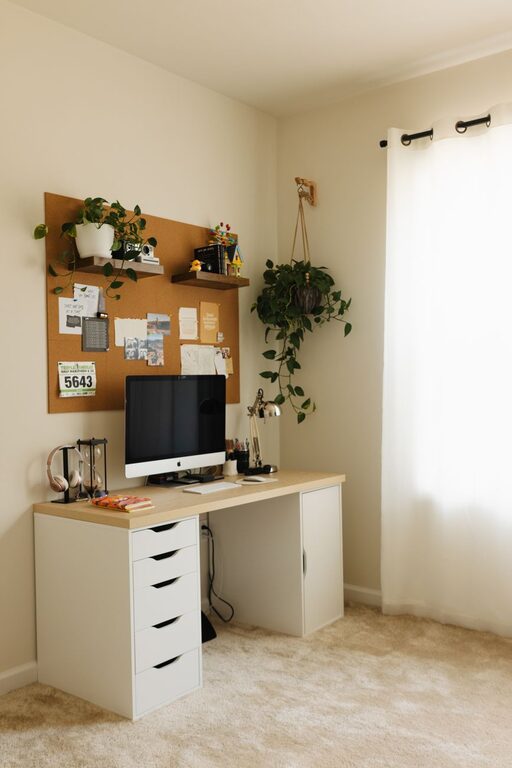
Creating a home office that feels both comfortable and productive is essential, especially as many of us spend more time working remotely. A relaxing home office environment can help reduce stress, improve concentration, and maintain a healthy work-life balance. Below, we explore practical tips to transform your workspace into a calm and inviting place where you can focus and feel at ease.
Choose the Right Location
Selecting the best spot for your home office sets the foundation for a relaxing space. Consider these factors:
– Natural light: Position your desk near a window to benefit from daylight, which can improve mood and energy.
– Quietness: Choose a location away from household noise and distractions.
– Privacy: Ideally, your office space should offer privacy from family members or roommates.
If space is tight, even a corner of a room can work well if organised carefully.
Invest in Comfortable and Supportive Furniture
Your furniture directly influences both comfort and productivity.
– Ergonomic chair: A chair that supports your back and encourages good posture is vital.
– Adjustable desk: If possible, use a height-adjustable desk that allows you to alternate between sitting and standing.
– Adequate desk space: Ensure your desk is large enough for your computer, documents, and other essentials without clutter.
Good furniture reduces physical strain and helps you stay focused for longer periods.
Use Calming Colours and Decor
Colour and decor can have a calming effect and improve creativity.
– Soft colour palette: Opt for muted tones like soft greens, blues, or beige to create a peaceful environment.
– Personal touches: Add decorations that make you happy, such as photos, plants, or artwork — but avoid clutter.
– Natural elements: Incorporate plants, which add a touch of nature and can improve air quality.
A well-considered colour scheme and decor can turn a bland workspace into an inviting retreat.
Maximise Organisation and Minimise Clutter
A tidy workspace reduces stress and increases efficiency.
– Storage solutions: Use shelves, drawers, or filing cabinets to keep your materials organised.
– Desk accessories: Keep only essential items on your desk to avoid distractions.
– Regular tidying: Take a few minutes daily to clear your desk and organise paperwork.
An organised space helps your mind feel clear and ready to focus.
Control Lighting and Reduce Eye Strain
Proper lighting is important to reduce fatigue and improve focus.
– Layered lighting: Combine natural light with well-placed desk lamps or overhead lighting.
– Adjustable desk lamps: Use lamps that allow you to control brightness and angle.
– Reduce screen glare: Position your computer screen to avoid reflections from windows or lights.
Taking care of lighting creates a comfortable visual environment during long work hours.
Add Soothing Sounds and Scents
Sound and scent can influence your mood and concentration.
– Background music: Soft instrumental music or nature sounds can help improve concentration.
– Aromatherapy: Consider subtle scents like lavender or eucalyptus with candles or essential oil diffusers to create a calming atmosphere.
Be mindful not to overload your senses; keep sounds and scents gentle and unobtrusive.
Set Boundaries Between Work and Personal Life
Separating work from home life is key for relaxation.
– Work hours: Define clear working hours and stick to them where possible.
– Physical boundaries: Close the door to your home office or create a partition if the space is shared.
– End-of-day routine: Create a ritual such as tidying your desk or shutting down your computer to signal the end of work.
Setting boundaries helps your brain switch off from work mode and recharge.
Incorporate Movement and Breaks
Regular movement and breaks support wellbeing and productivity.
– Stretching: Take short breaks to stretch or do gentle exercises.
– Change your position: Stand up or move around regularly, especially if you sit for long periods.
– Refresh your space: Open a window or step outside briefly during breaks for fresh air and natural light.
Incorporating movement keeps your body comfortable and mind refreshed throughout the day.
Maintain Good Air Quality
Fresh air is often overlooked but important for a relaxing workspace.
– Ventilate regularly: Open windows to let in fresh air whenever possible.
– Air purifiers: Consider using an air purifier to reduce allergens and dust.
– Houseplants: As mentioned, plants can help improve indoor air quality naturally.
Good air quality improves comfort and concentration.
Final Thoughts
Creating a relaxing home office environment is about balancing comfort, functionality, and personal taste. By choosing the right location, investing in quality furniture, managing lighting and decor thoughtfully, and maintaining organisation and boundaries, you can develop a workspace that nurtures well-being and productivity. Remember that small changes can make a big difference, so start with one or two adjustments and build your ideal home office over time.
About the Author