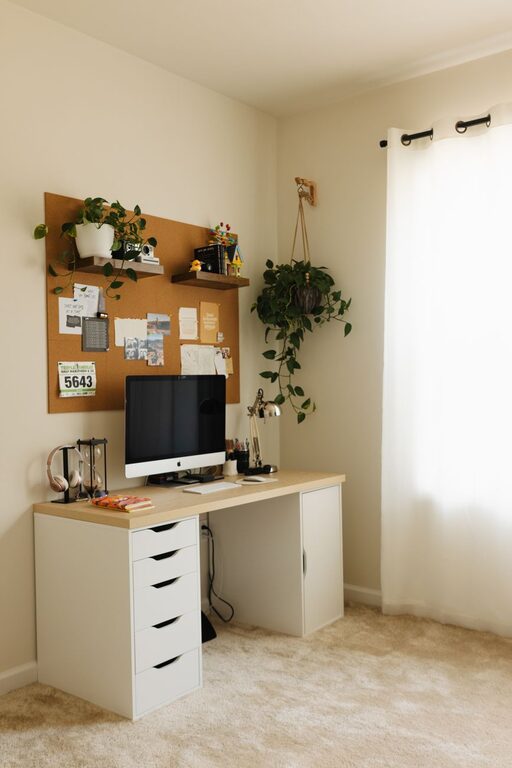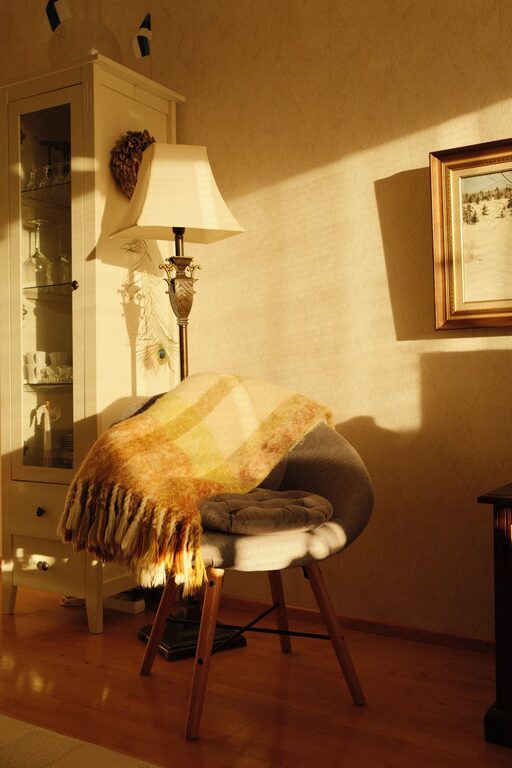
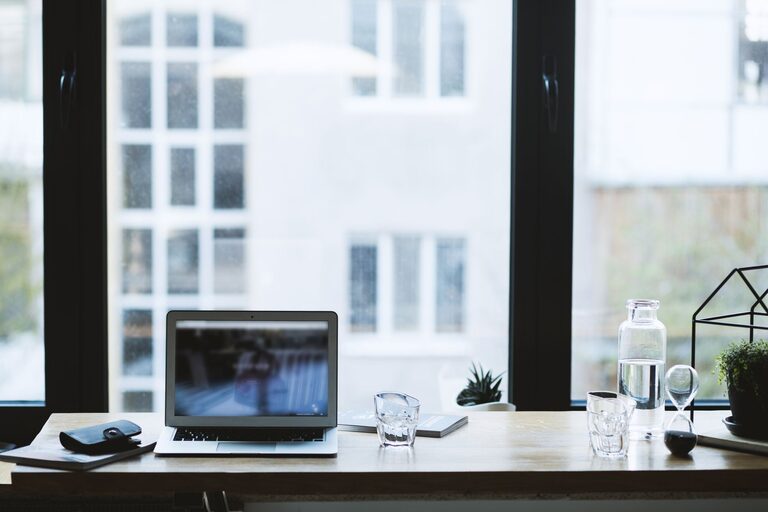
Creating a productive home office space is essential for maintaining focus and efficiency, especially as many people now work from home either full-time or part-time. A well-organised, comfortable workspace can make a significant difference to your daily output and even your wellbeing. In this guide, we’ll explore practical tips for designing and setting up a home office that suits your needs and helps you work smartly.
Choose the Right Location
Finding the ideal spot for your home office is the first step. Look for a quiet area with minimal distractions. This could be a spare room, a corner of the living room, or even a section of your bedroom. If possible, select a space that receives plenty of natural light as it can improve mood and concentration.
Consider the following when choosing your office space:
– Proximity to household activities or noise sources
– Availability of power outlets for your devices
– Temperature and ventilation control
– Space for storage and movement
Invest in Comfortable and Functional Furniture
Your furniture plays a major role in both comfort and productivity. A good chair and desk designed for office work help you maintain good posture and avoid fatigue.
Key furniture features to keep in mind:
– Ergonomic chair with lumbar support
– Adjustable desk height for sitting or standing
– Sufficient desk surface for computer, paperwork and accessories
– Storage options such as drawers or shelves nearby
Optimise Lighting for Work
Lighting impacts your alertness and reduces eye strain. Natural daylight is ideal, but you should also have quality artificial lighting to support work during darker hours.
Tips for effective office lighting:
– Position your desk near a window but avoid glare on screens
– Use adjustable desk lamps for task lighting
– Choose bulbs with a neutral or cool white tone for better focus
– Reduce harsh overhead lighting that can cause shadows
Organise Your Space to Minimise Clutter
A tidy, organised desk helps reduce distractions and makes it easier to find what you need. Establish a system to keep paperwork and supplies well-arranged.
Ideas for keeping your workspace organised:
– Use trays or filing boxes for documents
– Keep frequently used items within arm’s reach
– Regularly declutter to avoid accumulation of unnecessary items
– Label storage containers to identify contents quickly
Set Up Your Technology Efficiently
Having reliable technology is a must for a productive home office. Ensure your internet connection is fast and stable, and that you have all the necessary hardware and software.
Consider these technology tips:
– Use a good quality headset or microphone for calls
– Invest in a second monitor for multitasking ease
– Keep cables neatly organised and out of the way
– Back up important work regularly using cloud storage or external drives
Create Boundaries to Stay Focused
Working from home can blur the lines between work and personal life. Setting clear boundaries helps maintain concentration and prevents burnout.
Ways to establish boundaries:
– Set specific working hours and stick to them
– Communicate your schedule to household members
– Use signals, such as a closed door or headphones, to indicate you’re working
– Take regular breaks to refresh your mind
Personalise Your Environment
Adding personal touches makes your workspace inviting and motivating. Choose items that inspire you but don’t overcrowd your desk.
Ideas for personalising your office:
– A few favourite photos or artwork
– Plants to improve air quality and mood
– Motivational quotes or notes
– A comfortable rug or cushion
Maintain Good Habits for Long-Term Productivity
Finally, creating a productive home office isn’t just about the physical setup. Good habits support ongoing efficiency and wellbeing.
Helpful habits to cultivate:
– Start each day with a plan or to-do list
– Keep hydrated and snack healthily
– Avoid working in bed or overly relaxing areas
– End work at a consistent time to unwind properly
Conclusion
A productive home office space combines thoughtful organisation, comfort and a personalised touch. By choosing the right location, investing in suitable furniture, and establishing healthy work routines, you can create an environment that helps you work efficiently while maintaining balance. Remember that small changes and regular adjustments can make a big difference over time. Your perfect home office is one that supports both your professional goals and your wellbeing.
About the Author