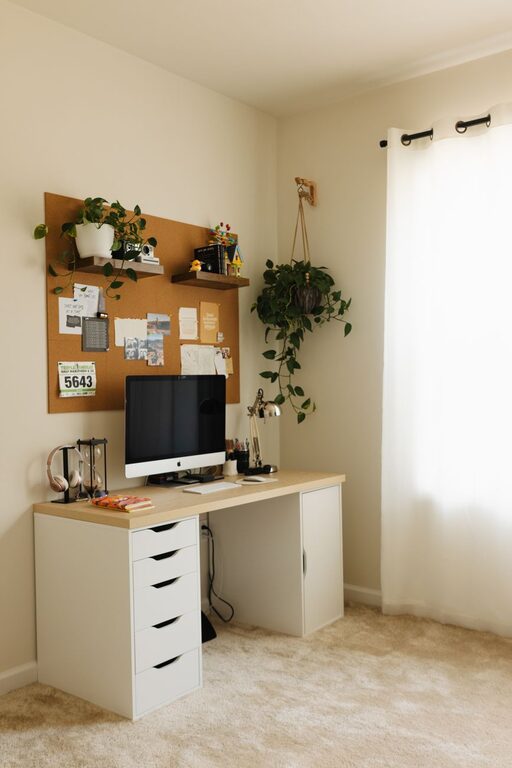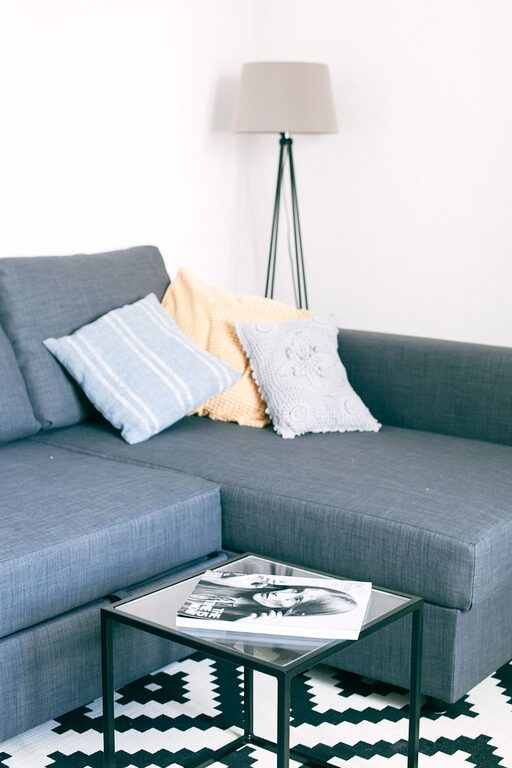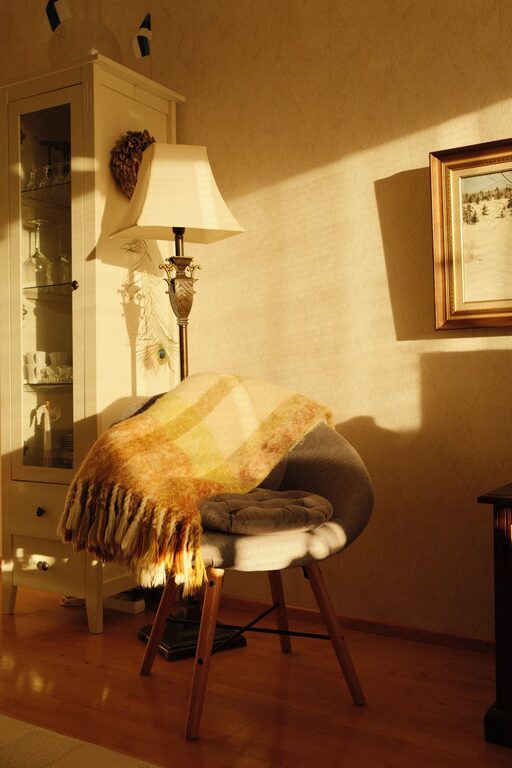
Creating a home office that is both cosy and functional is essential for anyone working remotely or needing a dedicated workspace. A well-designed office space not only improves productivity but also makes work feel less like a chore. In this post, we’ll share practical tips to help you set up a home office that balances comfort with efficiency.
Choose the Right Location
Your home office should be situated in a spot that minimises distractions and promotes focus.
– Natural light: Whenever possible, pick a room or corner near a window. Natural light boosts mood and reduces eye strain.
– Quiet area: Select a place away from busy household areas. This helps maintain concentration during work hours.
– Space to grow: Choose an area with enough room for your furniture and equipment, plus some space for movement.
Invest in Comfortable Furniture
Comfort is key since you’ll likely spend several hours in your office space.
– Ergonomic chair: A good chair supports your back and encourages good posture, preventing discomfort.
– Functional desk: Look for a desk that fits your room and has enough surface area for your computer, paperwork, and any other essentials.
– Adjustable options: Consider height-adjustable desks or chairs to switch between sitting and standing.
Optimise Lighting
Besides natural light, it’s important to have adequate artificial lighting for early mornings or late evenings.
– Layered lighting: Combine overhead lights with task lighting such as desk lamps to reduce shadows.
– Warm light tones: Use bulbs with warm or neutral white light to create a cosy atmosphere that’s easy on the eyes.
Keep the Space Organised
A tidy workspace helps you work more efficiently and reduces stress.
– Storage solutions: Use shelves, cupboards, or filing units to keep documents and supplies organised.
– Cable management: Invest in clips, trays, or sleeves to keep cords untangled and out of sight.
– Declutter regularly: Set aside time each week to clear unnecessary items from your desk and storage.
Personalise Your Workspace
Adding personal touches can make your office more inviting and inspire creativity.
– Decor: Include artwork, plants, or items that motivate you while keeping distractions minimal.
– Comfort items: Use cushions, blankets, or a small rug to add warmth to your space.
– Scent: A subtle room scent, such as a candle or diffuser, can enhance the ambience.
Utilise Technology Efficiently
Make sure your workspace supports your digital needs.
– Reliable internet: A strong connection is essential for virtual meetings and research.
– Necessary equipment: Ensure you have all required devices like a printer, scanner, or extra monitors.
– Software organisation: Keep your digital files organised with clear folders and backups.
Create Boundaries and Routine
Working from home means balancing work and personal time.
– Defined workspace: Use a room divider or door to separate your office from living areas.
– Set work hours: Define when your workday starts and finishes to avoid burnout.
– Breaks and movement: Step away from your desk regularly to stretch and refresh.
Consider Acoustics
Sound can impact focus and comfort significantly.
– Soundproofing: Add rugs, curtains, or acoustic panels to reduce noise.
– Noise-cancelling headphones: These can be helpful if background noise is unavoidable.
Conclusion
A cosy and functional home office doesn’t have to be complicated to achieve. By selecting the right location, investing in comfortable furniture, staying organised, and personalising your space, you can create a workspace that encourages productivity and feels inviting. Remember that your office should reflect your work style and preferences, making it easier and more enjoyable to focus on your tasks. With these tips, your home office will become a place where work and comfort go hand in hand.
About the Author