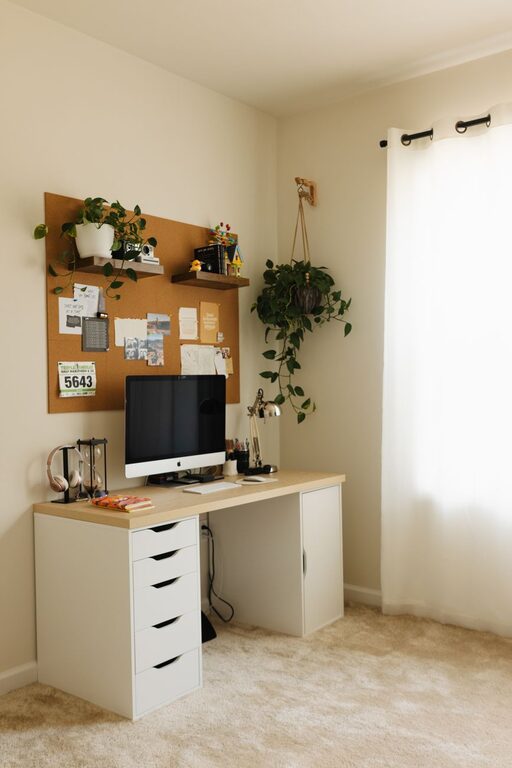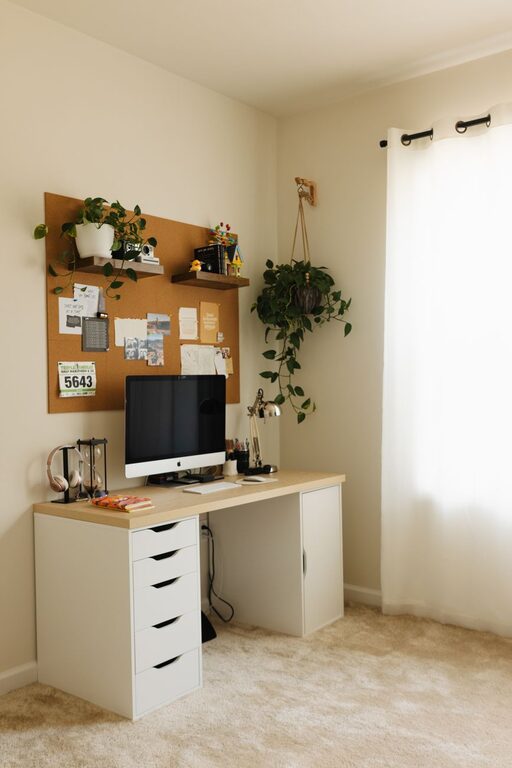
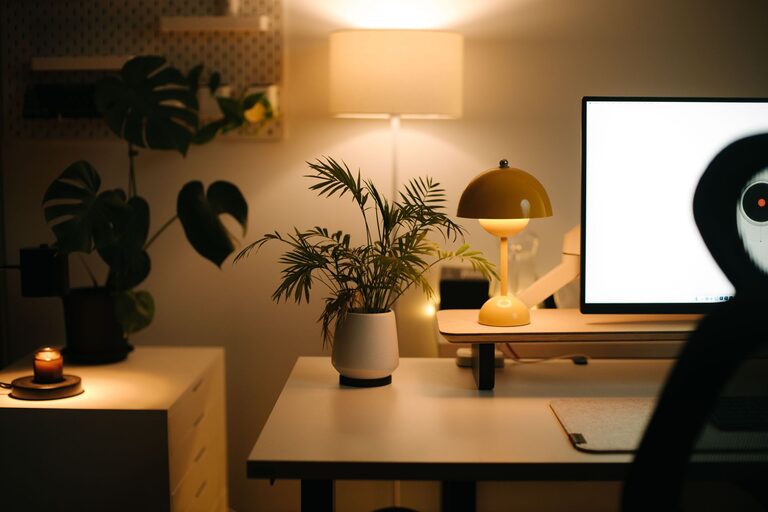
Creating a home workspace that feels both cosy and productive is essential for anyone working from home or pursuing personal projects. A well-designed area can improve focus, reduce stress, and make working from home a more enjoyable experience. In this guide, we’ll explore practical tips to help you achieve a workspace that balances comfort with functionality.
Choose the Right Location
Selecting the best spot for your workspace is the foundation of a productive home office.
– Natural Light: Position your desk near a window if possible. Natural light improves mood and keeps you alert during the day.
– Minimise Distractions: Find a quiet corner away from noisy areas like the kitchen or living room. If that’s not possible, consider noise-cancelling headphones or soundproofing solutions.
– Space Considerations: Ensure the space you choose has enough room for your desk, chair, and any other equipment you need without feeling cramped.
Invest in Comfortable, Supportive Furniture
Comfort is key to staying productive for long periods.
– Ergonomic Chair: A good chair supports your back and promotes good posture. Look for adjustable height and lumbar support.
– Desk Height: Your desk should be at a height that allows your elbows to be at a roughly 90-degree angle when typing. Adjustable desks can be a great investment.
– Flexible Layout: If possible, opt for a desk that lets you alternate between sitting and standing. This can reduce fatigue and improve circulation.
Optimise Organisational Tools and Storage
An organised workspace reduces distractions and helps you focus.
– Desk Organisers: Use trays, holders, and small containers to keep pens, notes, and gadgets tidy.
– Shelving: Wall shelves or bookcases are a great way to store materials without taking up desk space.
– Cable Management: Keep your cables neat with clips or ties. Excess wires can create a cluttered feel and sometimes disrupt your workflow.
Personalise Your Space for Comfort and Inspiration
Adding personal touches can make your workspace inviting.
– Colours: Choose colours that help you feel calm and focused. Soft blues, greens, or neutrals often work well.
– Plants: Indoor plants improve air quality and add a refreshing, natural element.
– Artwork and Photos: Surround yourself with items that motivate or relax you, but don’t overdo it—too much visual clutter can be distracting.
– Lighting: In addition to natural light, use warm task lighting. Adjustable desk lamps help reduce eye strain and add a cosy ambience.
Maintain a Clear Boundaries Between Work and Home Life
Creating a mental and physical boundary helps you switch between work and relaxation.
– Dedicated Workspace: Avoid working from your bed or sofa if possible. Having a separate space signals your brain to focus.
– Work Hours: Set regular hours and stick to them as much as possible.
– End-of-Day Ritual: Develop a routine to “close” your workday, such as tidying your desk or shutting your laptop.
Incorporate Technology Wisely
Technology should support, not hinder, your productivity.
– Reliable Equipment: Ensure your computer, internet, and peripherals are dependable to avoid frustrating interruptions.
– Software Tools: Use apps for task management, note-taking, or focus timers to keep on track.
– Minimise Notifications: Turn off non-essential alerts during work periods to reduce distractions.
Keep Your Workspace Clean and Fresh
A tidy and fresh environment keeps you feeling positive and productive.
– Regular Cleaning: Dust surfaces, clean your screen, and wipe down your keyboard often.
– Air Quality: Open windows when you can or use an air purifier.
– Refreshments: Keep a water bottle or favourite hot drink nearby to stay hydrated and comfortable.
Adapt and Evolve Your Workspace Over Time
Your needs may change, so be flexible in updating your area.
– Review Setup Periodically: Reflect on what’s working and what needs improvement.
– Try Different Layouts: Don’t hesitate to rearrange furniture or try new organisational methods.
– Add Comfort Items: A cosy blanket, footrest or cushion can enhance your comfort as you spend more time working.
—
By following these tips, you can transform your home workspace into an environment that is both cosy and productive. Remember, a comfortable workspace tailored to your preferences not only helps improve your work quality but also supports your wellbeing. Whether you’re balancing remote work, study, or creative projects, creating a space that feels good will inspire you to do your best every day.
About the Author