Creating a home office that is both relaxing and productive can seem like a balancing act, especially when working from home has become a long-term reality for many. A well-designed workspace helps you maintain focus and efficiency, while also reducing stress and fatigue. Whether you have a dedicated room or a small nook, these comprehensive tips will guide you towards building a home office environment where you can thrive.
Why a Relaxing and Productive Workspace Matters
Your home office is not just where you get work done; it’s also a place where you spend significant time each day. A comfortable and organised setup lowers distractions, supports your well-being, and boosts motivation. By combining elements of calm and functionality, your workspace will encourage you to start and finish tasks with ease.
Choosing the Right Location
Consider Natural Light
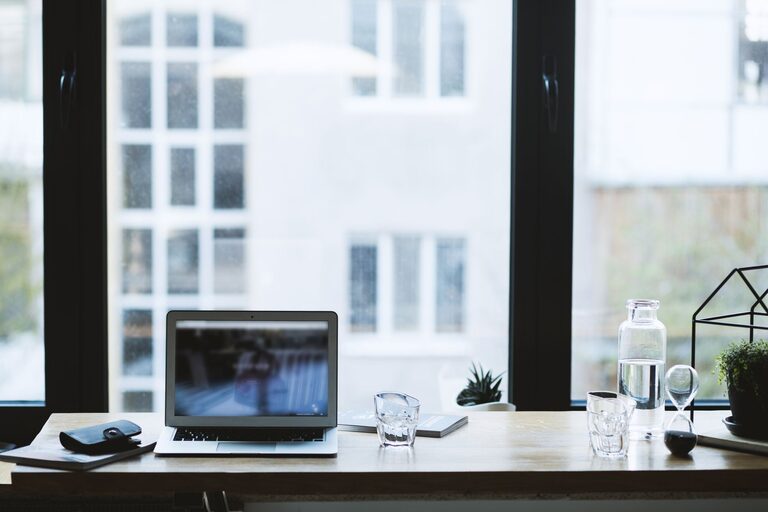
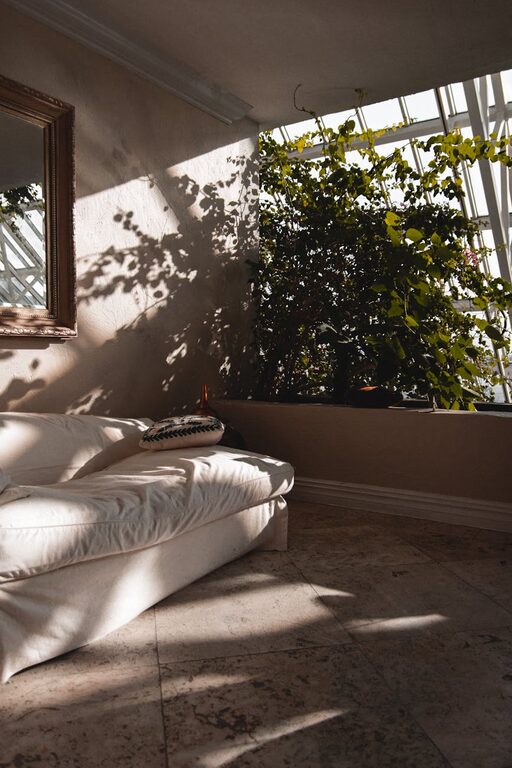
Natural light positively affects mood and energy levels. Place your desk near a window if possible, allowing daylight to fill your workspace. Avoid glare on your screen by positioning your monitor perpendicular to windows.
Minimise Noise and Distractions
Select a quiet spot where you can focus. If you don’t have a separate room, consider noise-cancelling headphones or white noise machines to reduce background interruptions.
Ergonomic Furniture and Layout
Invest in a Comfortable Chair
A supportive, adjustable chair helps prevent back pain and encourages good posture. Look for chairs with lumbar support and adjustable height to match your desk.
Desk Height and Surface
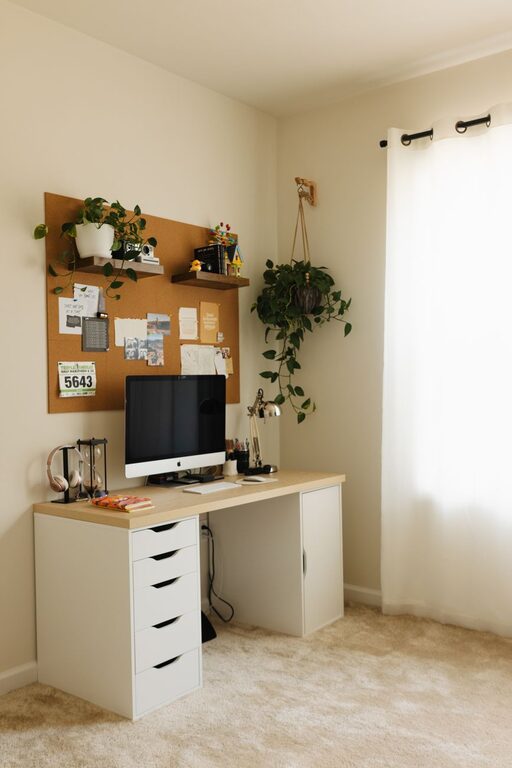
Your desk should suit your height to keep your arms at a comfortable angle when typing or writing. Keep the desk surface clear of clutter and large enough for essential equipment like your computer, keyboard, and notepad.
Organise for Efficiency
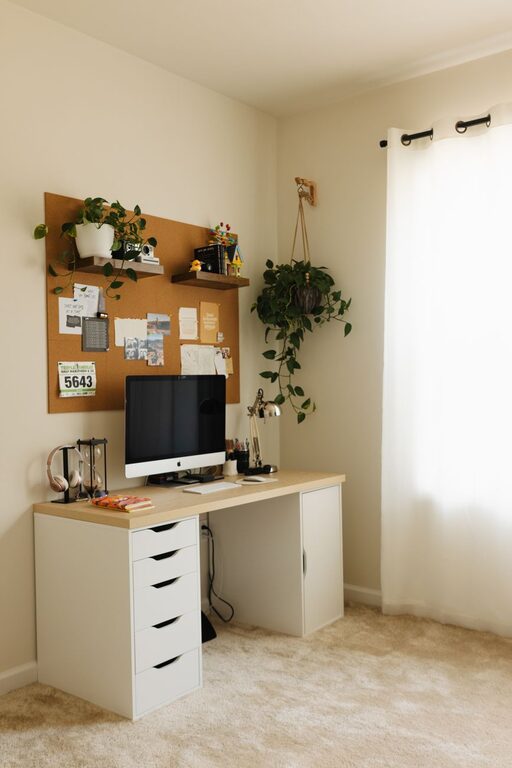
Use shelves, drawers, and organisers nearby to keep your supplies within reach but out of sight for a tidy look. Label boxes or files for quick access to documents.
Enhancing Comfort and Ambience
Control Lighting
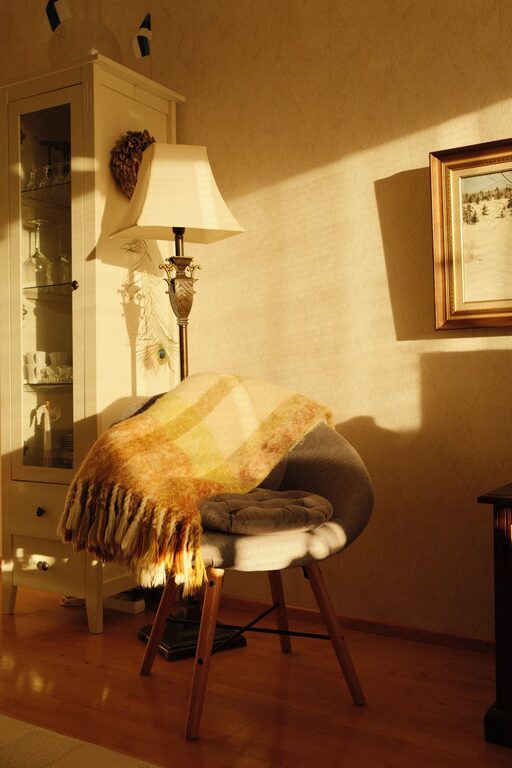
Complement natural light with adjustable desk lamps or overhead lighting that doesn’t strain your eyes. Warm, soft lighting creates a relaxing atmosphere, ideal for afternoon or evening work sessions.
Add Personal Touches
Incorporate elements like plants, artwork, or photos that inspire you. Greenery not only decorates but can also improve air quality and reduce stress.
Maintain a Comfortable Temperature
Ensure your workspace isn’t too hot or cold. Use fans, heaters, or open windows to create a comfortable climate.
Maintaining Focus and Motivation
Set Boundaries
Define your work hours and space clearly, signalling to family members or housemates when you should not be disturbed. Use a door sign or dedicated office area to reinforce these boundaries.
Plan Your Day
Keep a planner or digital calendar to organise tasks and set priorities. Having a clear schedule encourages productivity and reduces feeling overwhelmed.
Take Breaks
Incorporate short pauses during your working day to rest your eyes, stretch, or walk around. Regular breaks improve concentration and help avoid burnout.
Technology and Connectivity
Reliable Equipment
Invest in stable internet and quality devices like monitors, keyboards, and headphones. This reduces frustration and ensures smooth workflow.
Cable Management
Tidy cables using clips, sleeves or under-desk trays to keep your area organised and prevent distractions or accidents.
Keeping Your Workspace Clean and Clutter-Free
Daily Tidying
Spend a few minutes at the end of each workday putting things away, wiping surfaces and preparing the area for the next day.
Regular Decluttering
Every few weeks, review your paperwork, supplies, and items you no longer need to maintain a clear environment.
Encouraging Wellbeing
Stay Hydrated and Nourished
Keep water and healthy snacks within easy reach to keep your energy levels steady throughout the day.
Incorporate Movement
If possible, use a sit-stand desk or schedule regular stretches and exercises to keep your body active.
—
Creating a home office that is both calming and efficient is achievable with thoughtful planning and a few simple changes. Paying attention to natural light, ergonomic furniture, clear organisation, and personal touches will make your workspace a place you enjoy spending time in – ultimately helping you work better and feel more balanced. Start with small adjustments and experiment until you find the setup that best suits your needs. Your perfect home office is within reach!
About the Author