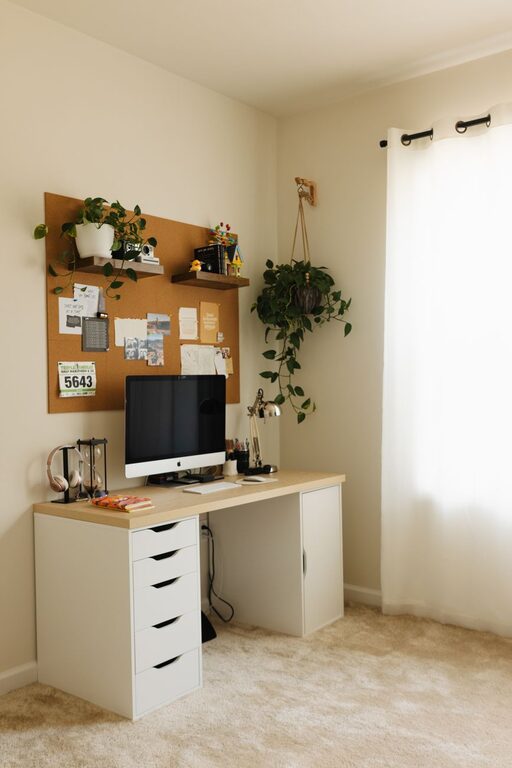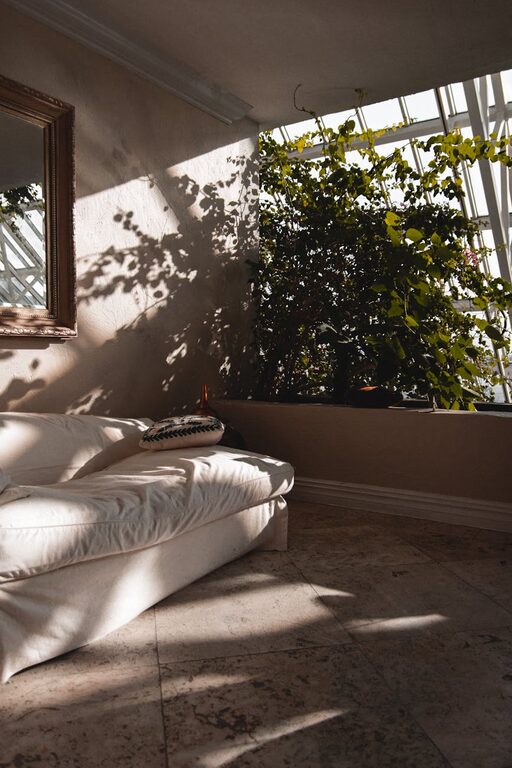
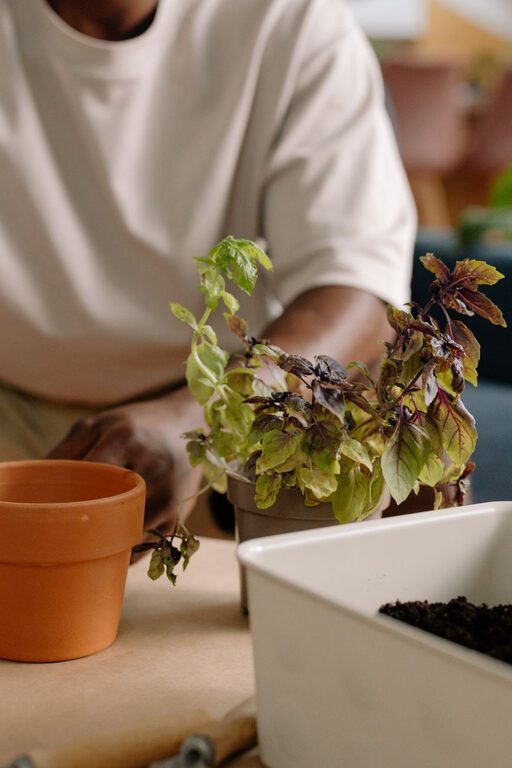
Indoor plants have become increasingly popular in homes across the world. They not only enhance the aesthetic appeal of living spaces but also offer a variety of benefits that contribute to our well-being. Whether you have a large collection or just a single potted plant, understanding the benefits of indoor plants and how to care for them can help you create a healthier, happier home environment.
Why Keep Indoor Plants?
Improve Air Quality
One of the most well-known advantages of indoor plants is their ability to improve air quality. Plants absorb carbon dioxide and release oxygen through photosynthesis, which helps freshen the air indoors. Some species, such as the snake plant and spider plant, are also known for removing common toxins from the air, including formaldehyde and benzene.
Boost Mental Health and Well-being
Caring for plants can be a calming and therapeutic activity. Being around greenery has been shown to reduce stress, improve mood, and increase concentration. Indoor plants help create a peaceful atmosphere and can even improve productivity when placed in workspaces.
Enhance Home Décor
Plants add natural beauty and life to any room. They come in various shapes, sizes, and colours, providing endless options to complement your décor style. From leafy ferns to colourful succulents, plants can brighten up corners, windowsills, or shelves.
Increase Humidity
In dry environments, indoor plants can help increase humidity by releasing moisture into the air. This can be especially helpful during winter months when central heating systems tend to dry out the air, potentially reducing issues like dry skin or irritated respiratory passages.
How to Care for Indoor Plants
Caring for indoor plants may seem daunting initially, but with some basic knowledge, it’s a straightforward and enjoyable task.
Choose the Right Plant for Your Space
Different plants have different light and care requirements. Assess the conditions of your home before selecting plants:
– Low light: Plants like the ZZ plant, pothos, or snake plant thrive in shady spots.
– Bright, indirect light: Ideal for peace lilies, aloe vera, and ferns.
– Direct sunlight: Cacti and succulents enjoy plenty of sun.
Understand Watering Needs
Overwatering is one of the most common mistakes in plant care. Most indoor plants prefer to dry out slightly between waterings.
– Check the soil moisture by touching the top inch of soil.
– Water only when the soil feels dry.
– Use pots with drainage holes to prevent waterlogging, which can cause root rot.
Use Suitable Soil and Pots
Choose soil appropriate for your specific plant type. For example:
– Succulents and cacti need well-draining, sandy soil.
– Tropical plants prefer richer, moisture-retentive soil.
Also, make sure to use pots with adequate drainage to avoid standing water.
Provide Proper Lighting
Ensure your plants receive the right amount of light according to their needs:
– Rotate pots regularly so all sides of the plant receive light.
– If natural light is limited, you can supplement with grow lights.
Maintain Temperature and Humidity
Most indoor plants grow well in temperatures between 18°C and 24°C (65°F to 75°F). Avoid placing plants near drafts, radiators, or air-conditioning vents.
To increase humidity, especially for tropical plants:
– Mist leaves occasionally.
– Group plants together.
– Use a humidity tray with water and pebbles.
Fertilise Occasionally
Feeding your plants once a month during the growing season (spring and summer) can promote healthy growth. Use a balanced, water-soluble fertiliser according to the package instructions.
Prune and Clean Regularly
Regularly remove dead or yellowing leaves to keep plants healthy and looking their best. Dust on leaves can block sunlight, so gently wipe them with a damp cloth every few weeks.
Common Indoor Plant Problems and Solutions
– Yellow leaves: Usually a sign of overwatering or poor drainage. Check soil moisture and improve drainage if necessary.
– Brown leaf tips: Often caused by low humidity or irregular watering.
– Pests: Inspect plants regularly for pests like spider mites or aphids. Treat infestations promptly with natural remedies or insecticidal soap.
Conclusion
Indoor plants are more than just pretty decorations; they bring numerous benefits including cleaner air, reduced stress, and improved humidity. By selecting the right plants for your environment and following simple care routines, you can enjoy the beauty and health advantages they provide. Start small, keep learning, and watch your home transform into a green sanctuary.
Adding indoor plants to your living space is a rewarding hobby that nurtures both the plants and your well-being. Happy gardening!
About the Author