Creating a relaxing home environment is essential for maintaining good wellbeing. Our homes should be a place where we can recharge, feel at ease, and leave daily stresses behind. With a few thoughtful changes and habits, you can transform your living space into a calming retreat. Here are some practical tips to help you create a home environment that promotes relaxation and better mental health.
Why a Relaxing Home Matters
A home that feels peaceful and inviting can impact your mood and energy levels positively. When you return to a clutter-free, soothing space after a hectic day, your mind settles more easily, improving sleep quality and reducing anxiety. By focusing on comfort, lighting, and personal touches, you create an environment tailored to your needs.
Declutter and Organise
Keep Surfaces Clear
Clutter can cause stress and distraction. Aim to keep surfaces like tables, counters, and shelves as clear as possible. Regularly tidy up to prevent piles of items from accumulating.
Use Practical Storage
Invest in stylish storage solutions such as baskets, boxes, or shelving units. These help keep belongings organised and out of sight, making rooms look more spacious and inviting.
Create Dedicated Zones
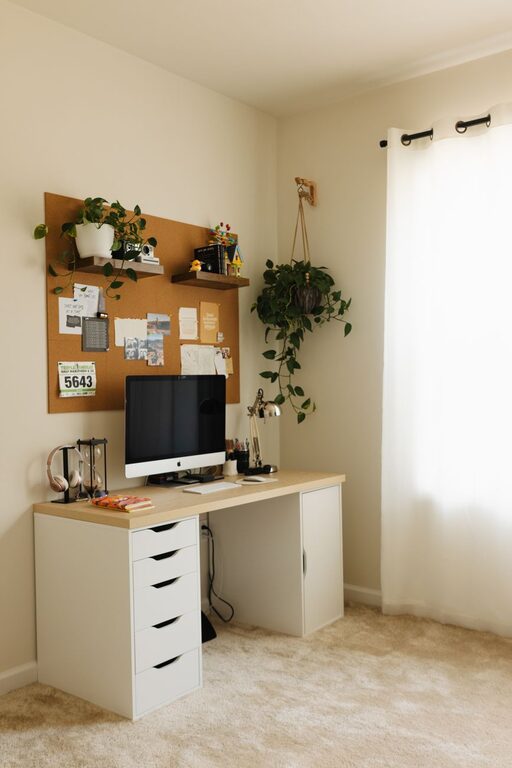
Divide your home into zones for different activities – a work area, relaxation corner, dining space – to maintain order and help your brain associate each area with a specific purpose.
Choose Soothing Colours and Textures
Calming Colour Palette
Opt for soft, neutral colours such as pale blues, greens, or warm creams. These shades tend to evoke calmness and help reduce stress. Avoid overly bright or intense colours in spaces meant for relaxation.
Comfortable Textiles
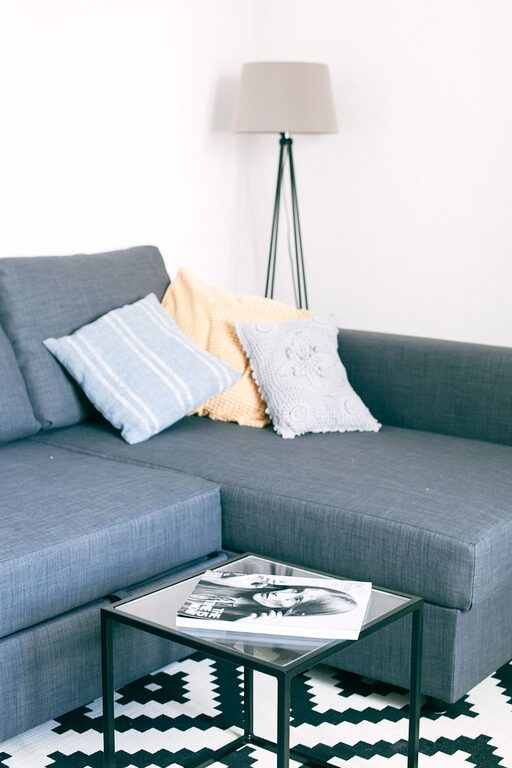
Add cosy cushions, throws, and rugs made from natural fibres like cotton, wool, or linen. Soft textures create a tactile sense of comfort and warmth.
Harness the Power of Natural Light
Maximise Daylight
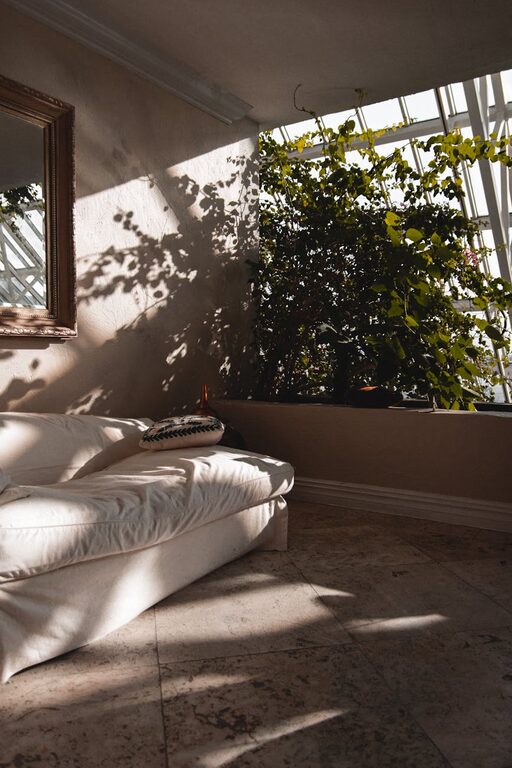
Open curtains and blinds during the day to let in as much natural light as possible. Natural light helps regulate your body clock and boosts mood.
Use Ambient Lighting
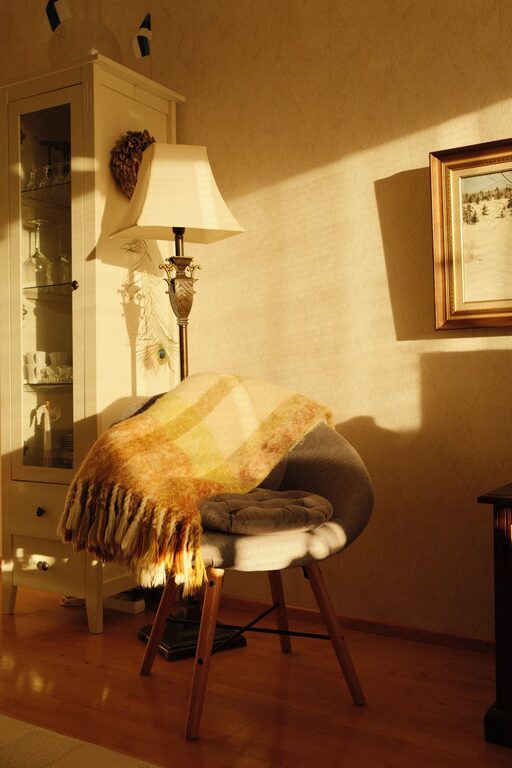
In the evenings, switch to warmer, softer lighting using lamps or dimmable bulbs. Avoid harsh overhead lights which can be stimulating rather than relaxing.
Candles and Fairy Lights
Consider using candles or fairy lights to create a gentle, calming glow. They add atmosphere and encourage a peaceful ambiance.
Incorporate Nature Inside
Houseplants
Introduce indoor plants to your home. They improve air quality and provide a connection to nature, which is proven to reduce stress.
Natural Materials
Use wooden furniture or accessories made from natural materials like stone, bamboo, or rattan to bring organic elements indoors.
Nature Sounds
Playing recordings of birdsong, rain, or forest sounds in the background can further enhance relaxation and create a soothing environment.
Create a Relaxation Zone
Comfort is Key
Designate a corner of your home as your relaxation spot. Choose a comfortable chair or bean bag with cushions and a soft blanket.
Personal Touches
Add items that help you unwind, such as books, calming artwork, or a journal. Keeping this space clutter-free helps it feel inviting.
Mindful Activities
Consider using your relaxation zone for mindfulness, meditation, or gentle stretching to help clear your mind and centre yourself.
Maintain Good Air Quality
Fresh Air Circulation
Open windows regularly to allow fresh air in and reduce indoor pollutants.
Use Air Purifiers
If your home is prone to dust or allergens, an air purifier can help create a cleaner environment.
Avoid Strong Chemicals
Choose natural cleaning products and avoid strong scents that may cause headaches or irritation.
Establish Relaxing Routines
Evening Wind-Down
Create a calming routine before bed by dimming the lights, turning off screens, and engaging in relaxing activities like reading or gentle yoga.
Limit Noise
Use noise-cancelling headphones or white noise machines if your home is noisy. Alternatively, close windows or use heavy curtains to reduce outside sounds.
Set Boundaries
If you work from home, set clear boundaries so work doesn’t spill into your relaxation time. Turn off notifications and designate specific hours for unwinding.
Final Thoughts
A relaxing home environment is all about creating a space that feels comfortable, organised, and aligned with your personal preferences. By decluttering, choosing soothing colours, maximising natural light, and incorporating nature, you can craft a peaceful sanctuary. Remember to include relaxation zones and routines that foster mindfulness and calm. Small changes can make a big difference to your overall wellbeing and help you enjoy your home as a true place of rest and rejuvenation.
About the Author